The path of a personal care aide is paved with both immense challenges and profound rewards. At its core lies a delicate dance between two seemingly contrasting forces: compassion and professionalism. On one hand, the role demands deep empathy and emotional engagement with clients who may be facing vulnerability, illness, or loss. On the other hand, maintaining clear boundaries and adhering to ethical standards are crucial for ensuring quality care and protecting both client and caregiver well-being.
Understanding how to navigate this delicate balance is a key aspect of excelling as a personal care aide. It’s not about compartmentalizing your emotions or becoming aloof, but rather about finding a harmonious blend that allows you to provide genuine support while remaining grounded in your professional role.
The Power of Compassion
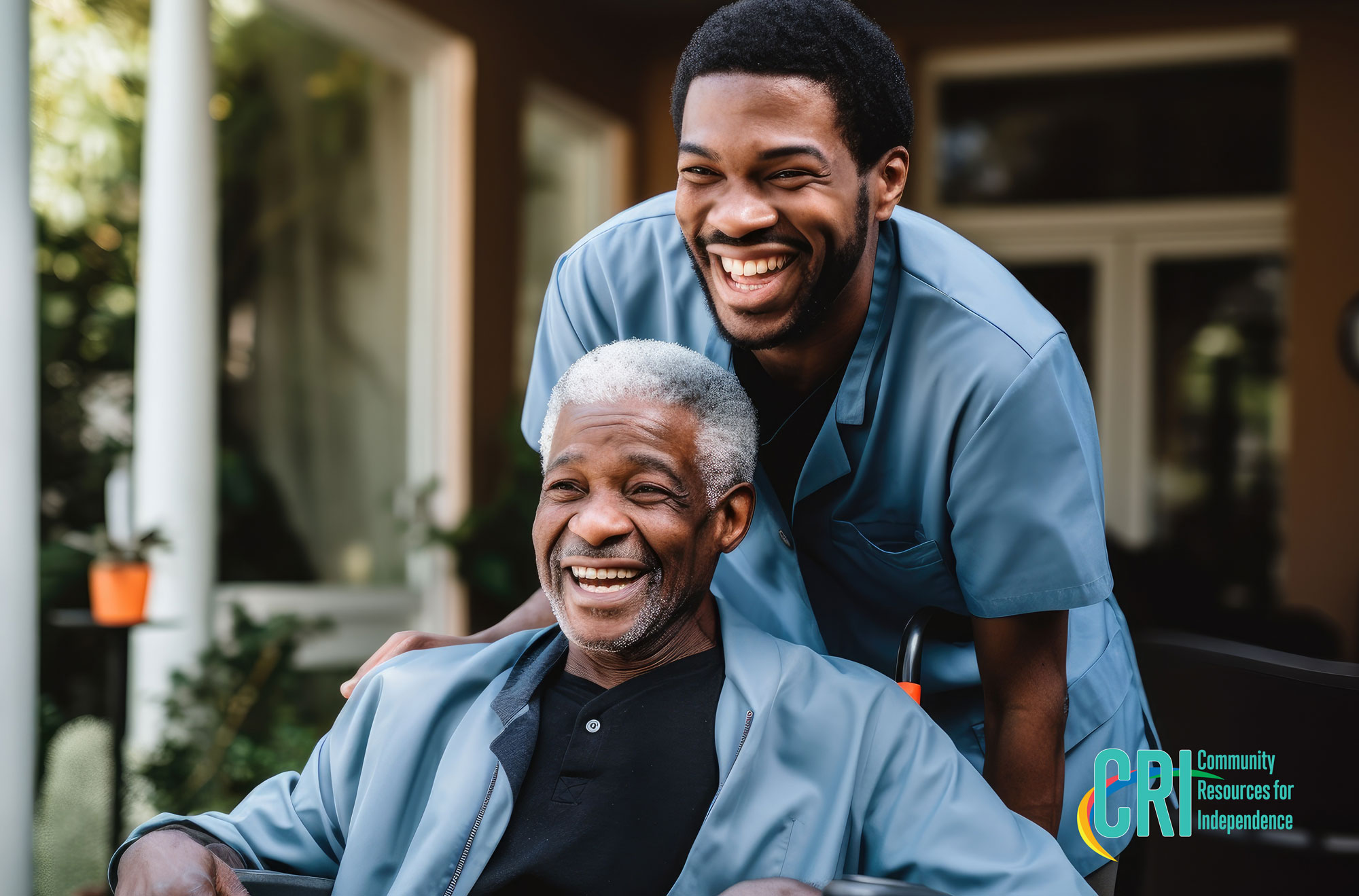
Compassion is the cornerstone of effective caregiving. It allows you to connect with clients on a deeper level, understand their needs and perspectives, and build trust. Imagine the difference between a caregiver who mechanically completes tasks and one who listens attentively, offers a comforting hand, and acknowledges their client’s emotions. The latter fosters a sense of security and dignity, making a profound difference in the client’s experience.
Compassion manifests in various ways:
- Active listening: Truly hearing clients’ concerns, fears, and aspirations without judgment.
- Empathy: Recognizing their emotional state and validating their feelings.
- Respect: Treating clients with dignity and courtesy, regardless of their circumstances.
- Patience: Understanding that adjusting to care needs takes time and emotional processing.
- Kindness: Offering small gestures of care, like a warm smile or a thoughtful conversation.
By demonstrating these qualities, you create a safe space where clients feel supported and understood. This, in turn, facilitates better communication, adherence to care plans, and ultimately, improved well-being.
The Importance of Professionalism
However, compassion alone is not enough. Professionalism serves as the framework that ensures ethical, safe, and effective care. It encompasses:
- Maintaining boundaries: This involves avoiding personal involvement in clients’ lives, respecting their privacy, and refraining from crossing emotional lines.
- Upholding ethical standards: Adhering to professional codes of conduct, respecting confidentiality, and acting in the best interests of clients.
- Delivering competent care: Having the necessary skills and knowledge to perform assigned tasks safely and effectively.
- Communicating clearly and accurately: Keeping clients and other professionals informed about their well-being and any concerns.
- Practicing self-care: Recognizing your own limitations and emotional needs to avoid burnout and provide optimal care.
Professionalism ensures accountability, protects both client and caregiver from harm, and fosters trust within the caregiving ecosystem.
Finding the Harmony
So, how does one reconcile these seemingly contrasting aspects? The key lies in integrating them, creating a holistic approach to caregiving. Here are some practical tips:
- Recognize your emotions: Acknowledge your own feelings of empathy, sadness, or frustration.
- Maintain empathy while setting boundaries: Separate your personal reactions from your professional duties.
- Focus on tasks and goals: Remember that your role is to provide specific care, not become a personal confidante.
- Utilize professional support systems: Discuss challenging situations with supervisors, colleagues, or support groups.
- Practice self-care: Engage in activities that nourish your physical and emotional well-being.
Developing these skills takes time and conscious effort. By continuously reflecting on your practice, seeking feedback, and learning from experienced caregivers, you can refine your approach and discover the sweet spot where compassion and professionalism work in beautiful harmony.
Remember, you are not a robot programmed to provide care. You are a human being offering your skills, empathy, and dedication to make a positive difference in someone’s life. By embracing both the heart and the head, you become an invaluable asset in the caregiving journey, leaving a lasting impact on those you serve.